
Ember
The machine every operator starts on. No term and no licence.
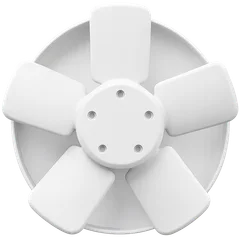
Moulded shell, one vent, sealed port
- Entry
- Free
- Term
- Open
- Power
- 1.000
- Cooling
- 1.13%/tank
- Floor
- 40%
- Taps
- 1,000/day
A node on Solana, inside Telegram
Keep it running and collect what it earns. Five builds, five finishes, and one pool every live node draws from. It runs inside Telegram and it pays in SOL.
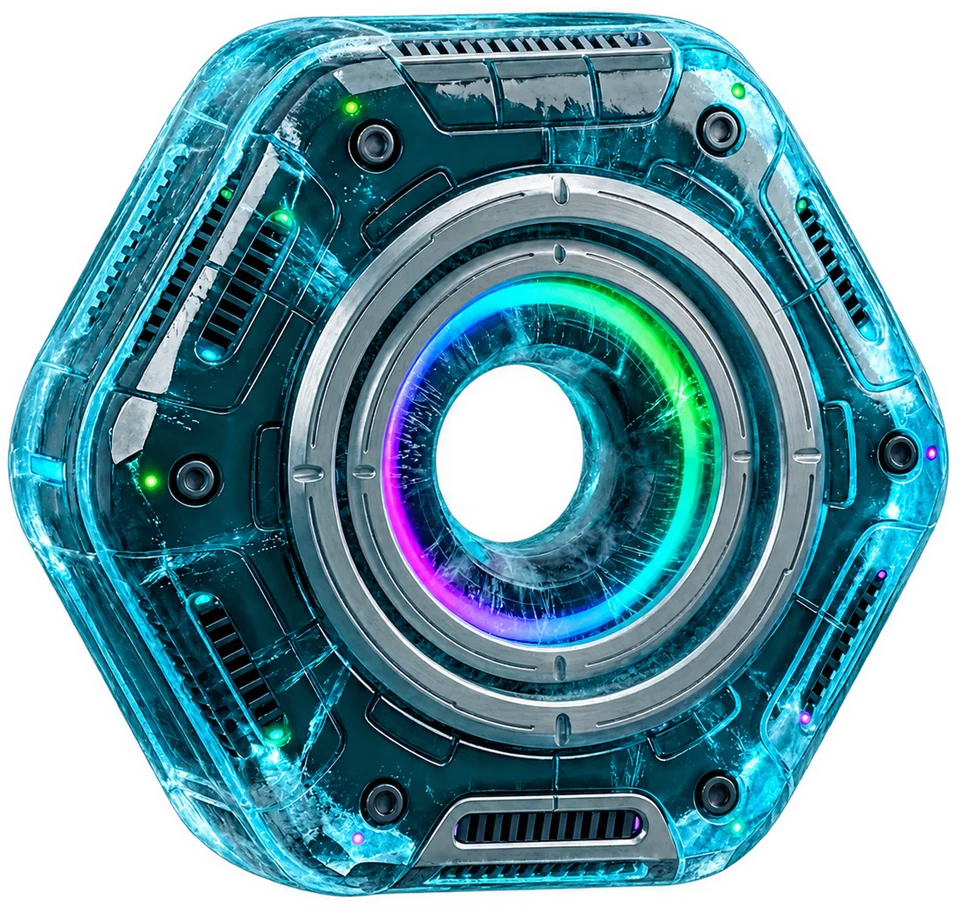
Apex / Ice finish
The premise
It is a rig. The load is a worker.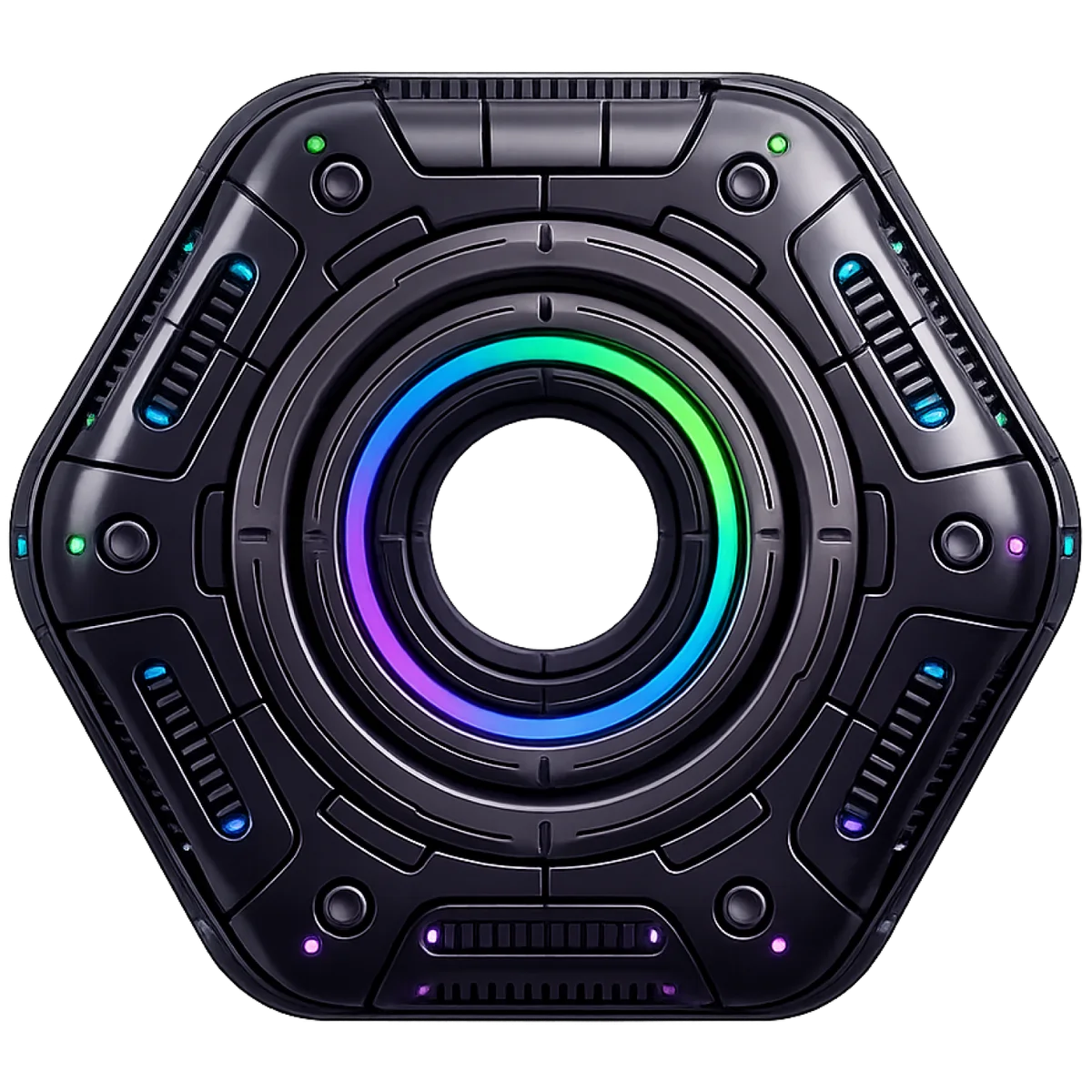
Structurally this is a mining rig. Rack hardware, thermals, wear, upkeep. The one substitution is the load: it is not hashing, it is an AI worker. Every part you can see on the chassis is there to carry one half of that or the other.
Weight, machining, heat, ports, seams, serials, telemetry. It should look like it was engineered by people who had to solve cooling, because the alternative is a glowing blob with a price on it.
It responds. It gets tired. It can burn out. The machine is the body and the Filament is the tenant, and the product is the tension between the two.
The shift
One 24-hour cycleA node does not pay out once and go quiet. It fills a tank, you empty it, and the chassis wears a little for the work. Four things happen, in this order, every day you run it.

A licensed node fills its tank in 2 hours 24 minutes. A full tank stops filling, so the shape of a day is ten visits rather than one.

Tap the tank out into your balance. Six thousand taps a day on a licensed machine, and what lands is SOL rather than a token waiting on a listing.

Every tank cleared takes health off the machine, and health is a term in what it draws. Spend XP on repairs, or watch the rate fall.

Settlement runs at midnight in your own timezone. Anything you left in the tank is offered to everybody again the next day, and the operators who showed up collect it.
The worked face
Chamber shown at capacity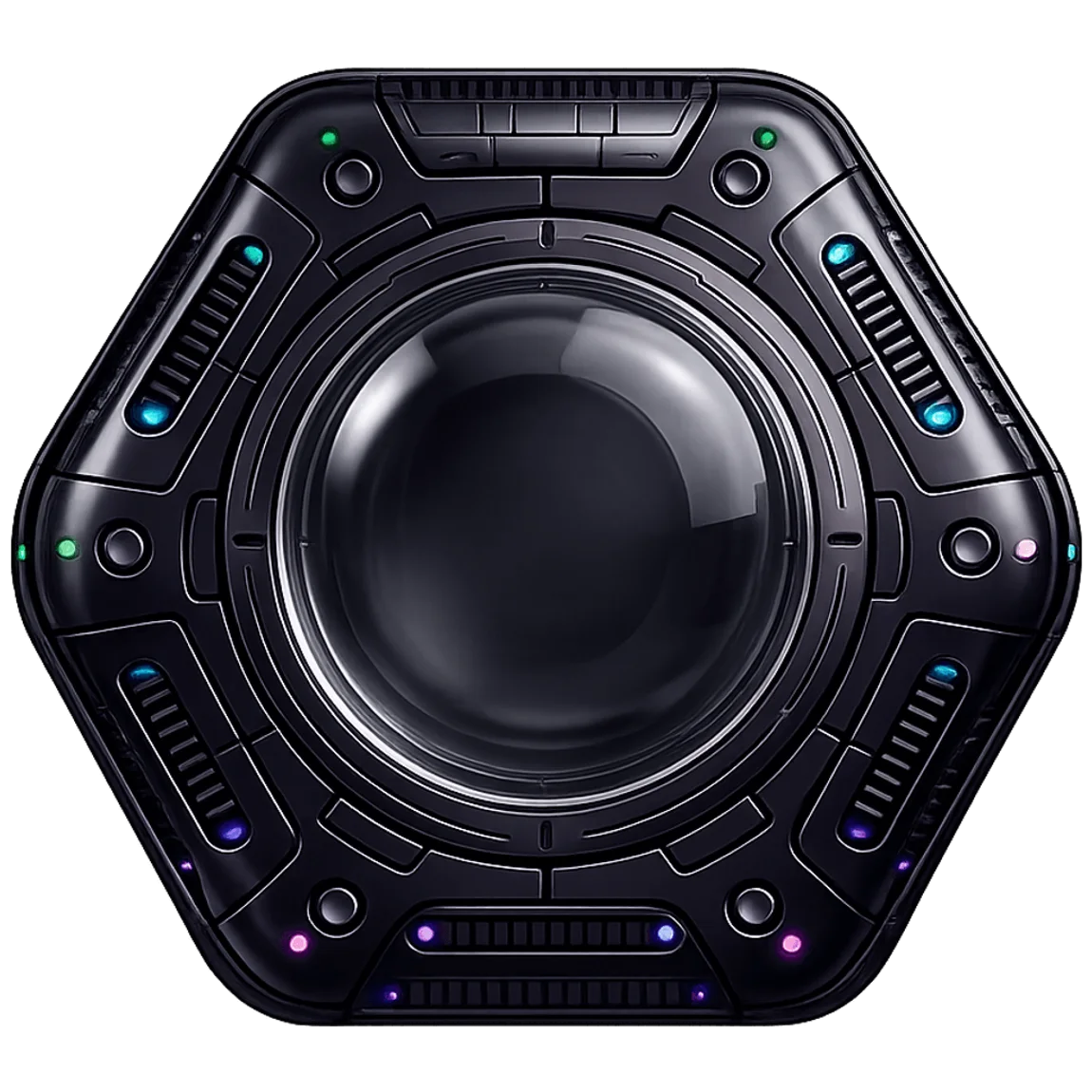
Illustration. The level here is not a reading from any node.
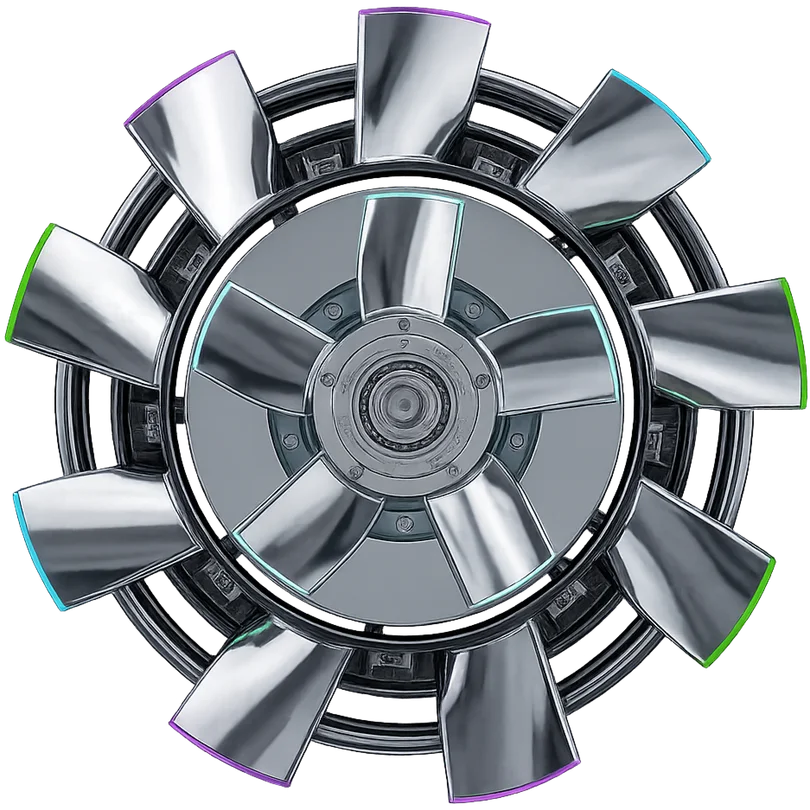
The front of a node is its port. The back is the chamber a shift fills, behind glass, with the turbine still running deep inside it. It is the one part of the machine that tells you where you stand without a number.
A full chamber is not a good state. A full tank stops filling, and the node is doing nothing until you clear it. That is the whole reason a day is shaped as ten visits rather than one collection.
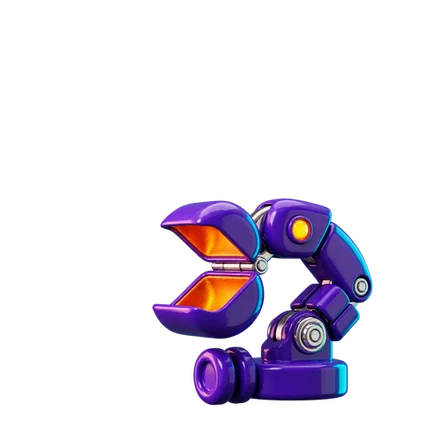
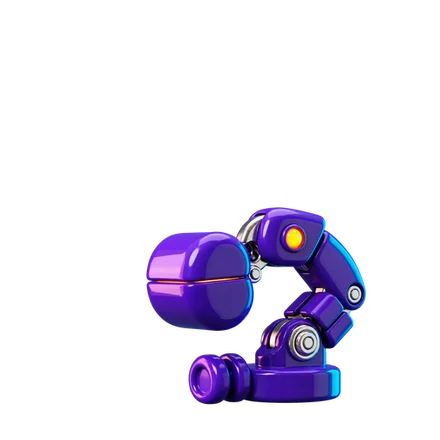
It clamps to the node and catches what a full tank spills. It parks while the tank is filling and works only while it is full, and that is also the only time its runtime is spent. Watch it long enough and the rule explains itself without a sentence: the jaws open, the spill goes in, the jaws close.
The cycle
Two instruments, one dayThe tank is the machine’s side of the day and the energy bar is yours. One fills on its own and stops when it is full. The other returns on a clock whether you are there or not, and it is the only thing standing between you and the tank.
Six hundred taps empties a full tank, and each one costs a single unit of energy. That is the whole loop, and it is why a day is ten visits rather than one.
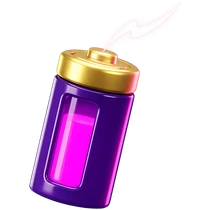
On a licensed machine, three hours on the free one. Then it stops, and a full tank is a machine doing nothing.
A six-hundredth of the tank, for one unit of energy. Six hundred taps clears a full one.
One unit every fourteen and a bit seconds, on a clock that does not care whether you are watching.
On any licensed machine. The free one is capped at a thousand, which is the shape of the trial.
The range
Tiers escalate by buildA product line that separates its tiers with a colour and a badge looks cheap. These separate by material, density and machining. Same hexagon, same proportions, same light. One of them is simply built more than the others.
The machine every operator starts on. No term and no licence.
Moulded shell, one vent, sealed port

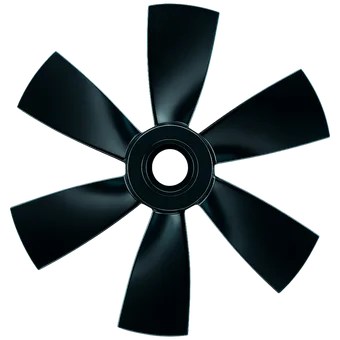
The economy machine, and the shortest session in the range.
Moulded polymer, two bolts, no trim of any kind
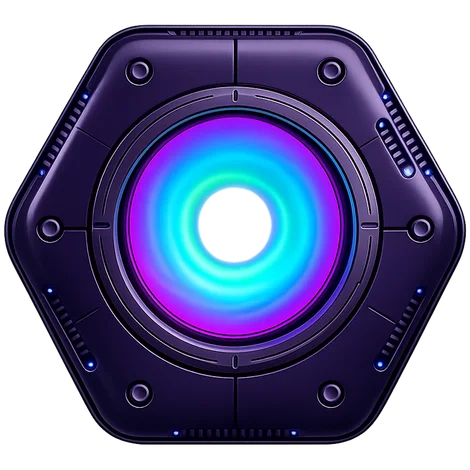
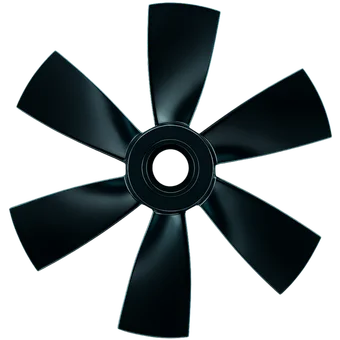
The first licensed machine. Thirty shifts and a wide lit aperture.
Stamped steel with polymer inserts, six blades
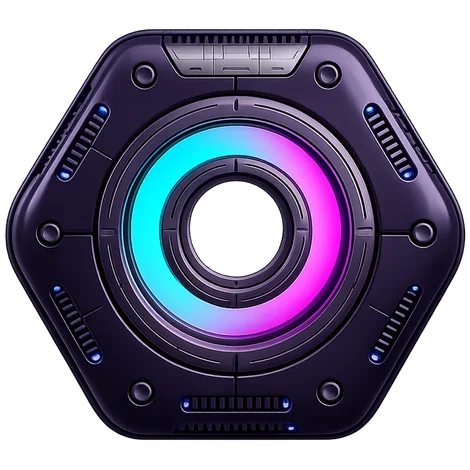
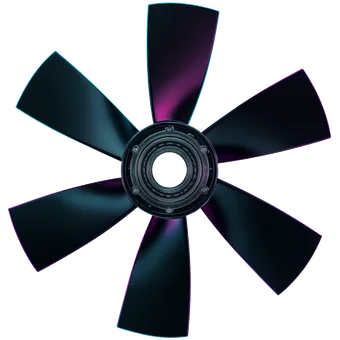
Heavier chassis, cooler running. The health floor lifts here for the first time.
Machined aluminium, milled fin stack, nine blades
The most machine in the range. Sixty shifts and the coolest running chassis built.
Single-block CNC aluminium, vapour chamber, twelve blades
Power is the tier premium, and it is the only one. Your slice of a day’s pot is your weight over everybody’s: what you have put in per day of your term, times health, times tenure, times Power. Capital size and term length both cancel out of that, which is why neither appears. A node publishes its rate in the app, before you buy it.
Health and repair
Wear is per clear, never per dayNothing wears while a machine sits. Health comes off when you clear the tank, so the cost of running is counted in work done rather than in days elapsed. Health is also a term in what a node draws, which makes a worn machine a quieter one.
It cannot fall forever. Every machine has a floor it stops at, and the more expensive ones both wear slower and stop higher. That is most of what the tier premium buys.

Health goes back on at a price set against what the machine carries, so a larger node costs more to keep in condition. It is the main thing XP is for and the reason to have any.
At the floor it keeps working and keeps paying, on a smaller share. Nothing is lost and nothing is bricked. Repair is a choice about how much of the term you want to spend at full strength.
Finishes
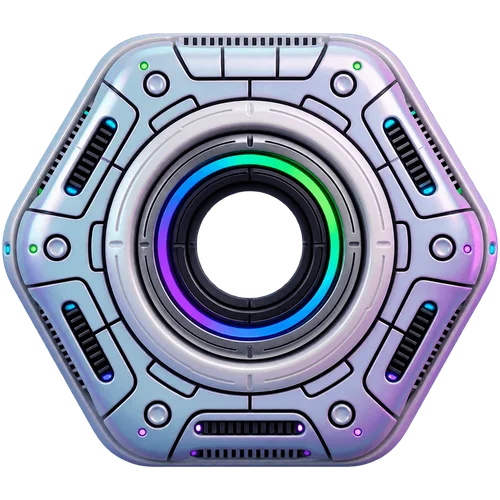
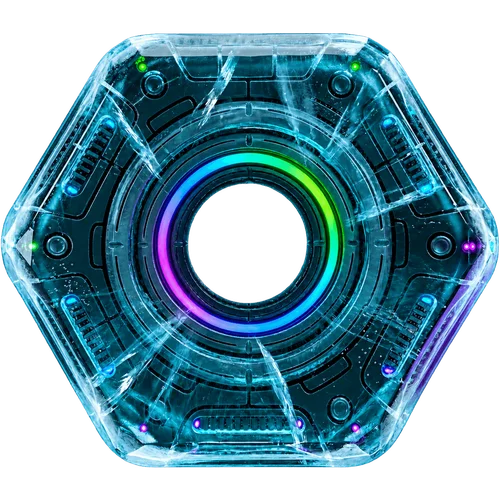
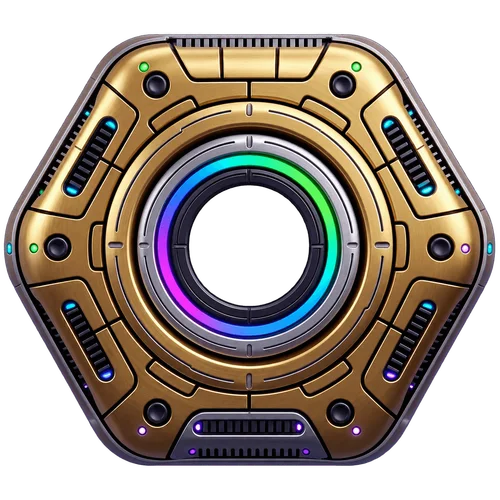
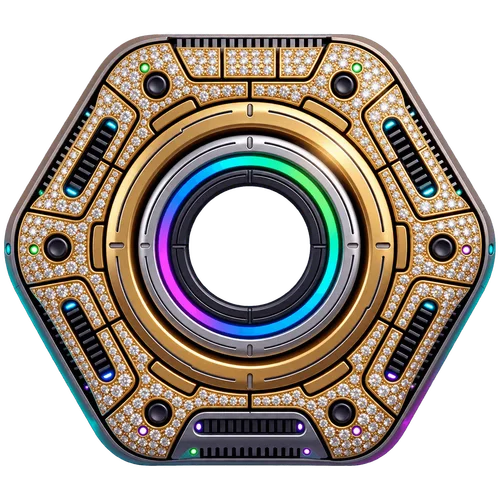
Apex shownFive finishes, on all five builds, and not one of them touches what a node draws. They are the only thing here you buy purely because you want to look at it.
XP
Minted only when SOL comes in
XP is what keeps a node in condition and what upgrades it. It comes off the quest board, off the squad you bring in, off the ads and sponsors the product actually carries, and it can be bought outright.
Tapping mints none of it. XP only exists where SOL came in first, so what you hold was paid for by revenue that arrived rather than printed to fill a balance.
Health lost to clearing tanks is bought back. The price follows what the machine carries, so a bigger node costs more to keep cool.
A larger tank, so a shift holds more before it stops filling and more of the day is spent working.

More of the tank moved per tap. The same six hundred taps clear a bigger tank, which is the only thing that buys back time.
Operator level
Ten rungs, counted in shiftsLevel is the one ladder that changes what you are allowed to do. Each rung raises the ceiling on how much capital an account may carry, and it is counted in qualifying shifts rather than in time since signing up or in anything you can buy.
It is not rank. Rank is what other people see; level is what the machine lets you put in, and three of the finishes are held behind it.

Rank
Twenty-one rungs, seven boardsRank touches nothing. Not weight, not rates, not wear, not what you are allowed to buy. It is worth having precisely because there is no cheapest path to it worth finding, and it rides on your own face everywhere the board shows you.
 Hand3 rungs
 Technician6 rungs
 Machinist10 rungs
 Foreman14 rungs
 Chief18 rungs
 Master21 rungs
The rungs come off seven boards, three tiers each. Twenty-one in total, and the sixth rank is all of them.
 ExtractedSOL taken out
 ClearsTanks emptied
 CaptureOf the tank, kept
 UnbrokenShifts in a row
 TermsRuns finished
 RackMachines owned
 ContractsSquad brought in
The fortnightly board
Ten places paid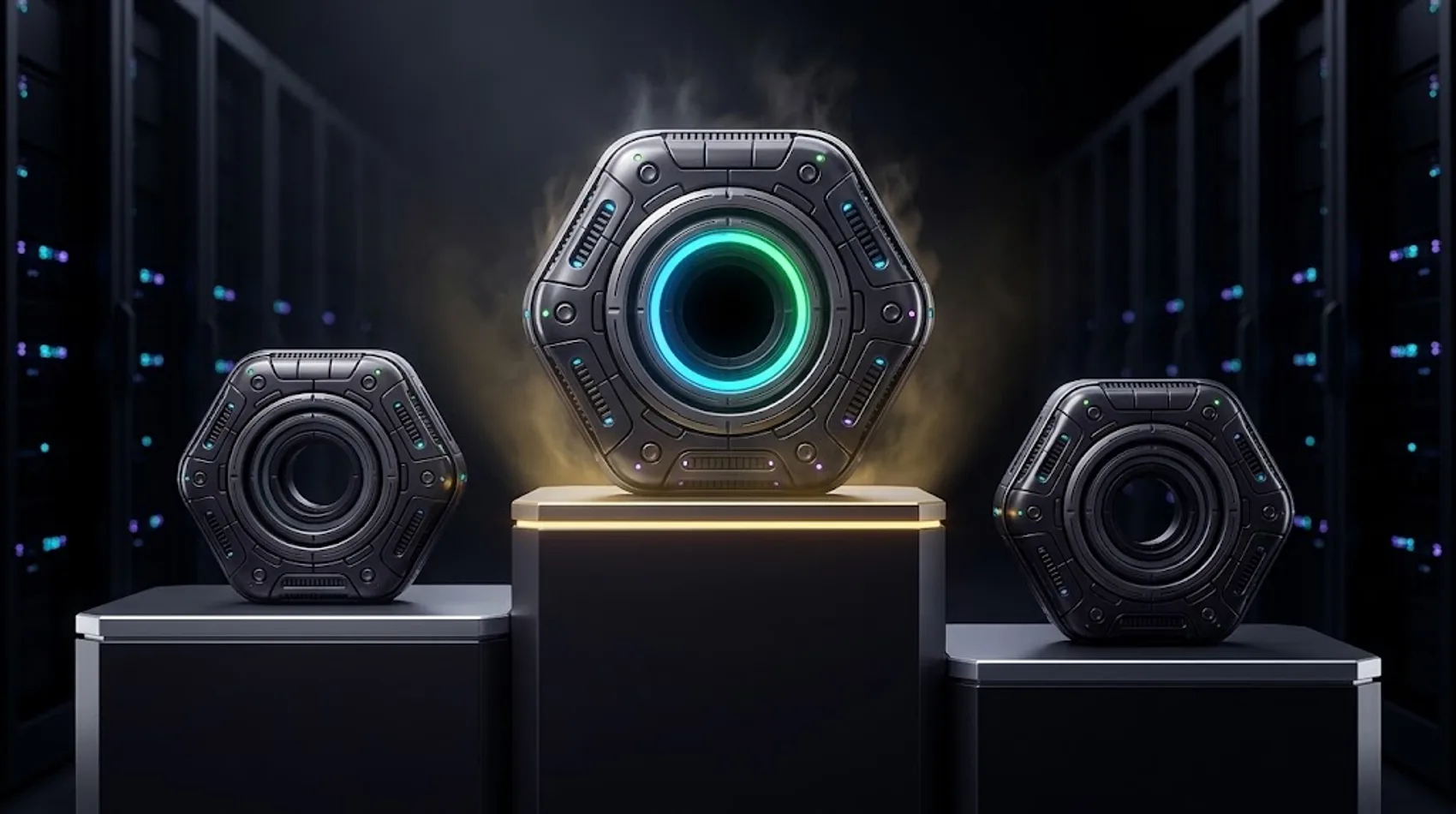
Bring operators in and what they work counts toward you. Every fourteen days the board closes, pays ten squads, and starts again from nothing.
Three activated recruits inside the period puts a squad on the board. Below three there is no seat, and when the fortnight closes every squad starts again from nothing.
A recruit counts when they activate, which means they have worked. Inviting a list of names moves nothing on this board.
Two squads level on the same count are split by the earliest activation, so the period rewards starting early rather than finishing in a rush.
Your squad
What activation meansAnybody who starts from your link joins your squad. Nothing is paid for the signup itself, and the three gates below are what turn one of them into a recruit the board can see. They are the same three the app shows your recruit, one at a time, so both of you know which one is outstanding.
What they work then counts toward you for as long as they run, and the squad ladder pays again at three, five, ten, twenty-five and fifty.

Verified ones, off the Earn board. Signing up is not one of them.
A day counts only when the shift was worked and the machine was kept in condition, and three of them cannot happen in fewer than three days.
Either the work or the commitment. One or the other, never neither.
The wallet
Four rails, one screenSOL goes in and SOL comes out, at your own address on Solana. The same screen carries every movement the account has made and the figures your own draw is worked out from, in the order the sum runs, ending on the number that is yours.
That last part is the unusual one. Publishing the pot and the weight behind it is what makes a payout something you can check rather than something you are told.
Your own address on Solana, on your own screen. Send SOL to it and it lands in your balance.
To an address you set, behind a six digit code. Most withdrawals land on-chain in seconds, and a newly added address waits before it can be paid.
Every movement in one list, SOL and XP together, filtered by kind or by date. A payout you can point at is a payout you can check.
The pot, the weight across every live node, and your share of it, published in the order the sum runs and ending on the figure that is yours.
Plainly
Before you spend anythingWhat you spend buys the node and its place in the term, the way buying any tool does. It is not a deposit held on your behalf, and every figure in the product is written on that basis.
A node publishes its rate up front. You will not find a projected percentage on this site or in the app, because what the pot pays on a given day depends on how many machines are running.
Each day's pot is split among every live node in proportion to weight. It never pays out more than it holds, and that is the property the whole design exists to keep.
Ember is the free trial: no term, no licence, nothing to spend. Work a full shift on it, see how the loop feels, and buy a licensed machine only if you want one.
Start a shift
Ember runs with no term and no licence. Work a shift on it, see what the loop feels like, and buy a licensed machine only if you decide you want one.